




The Curing Tree — Navbar
Dia-BEAT | The Curing Tree
BEAT

The Curing Tree  ·  Signature Programme

Dia-BEAT / SPINE Reset

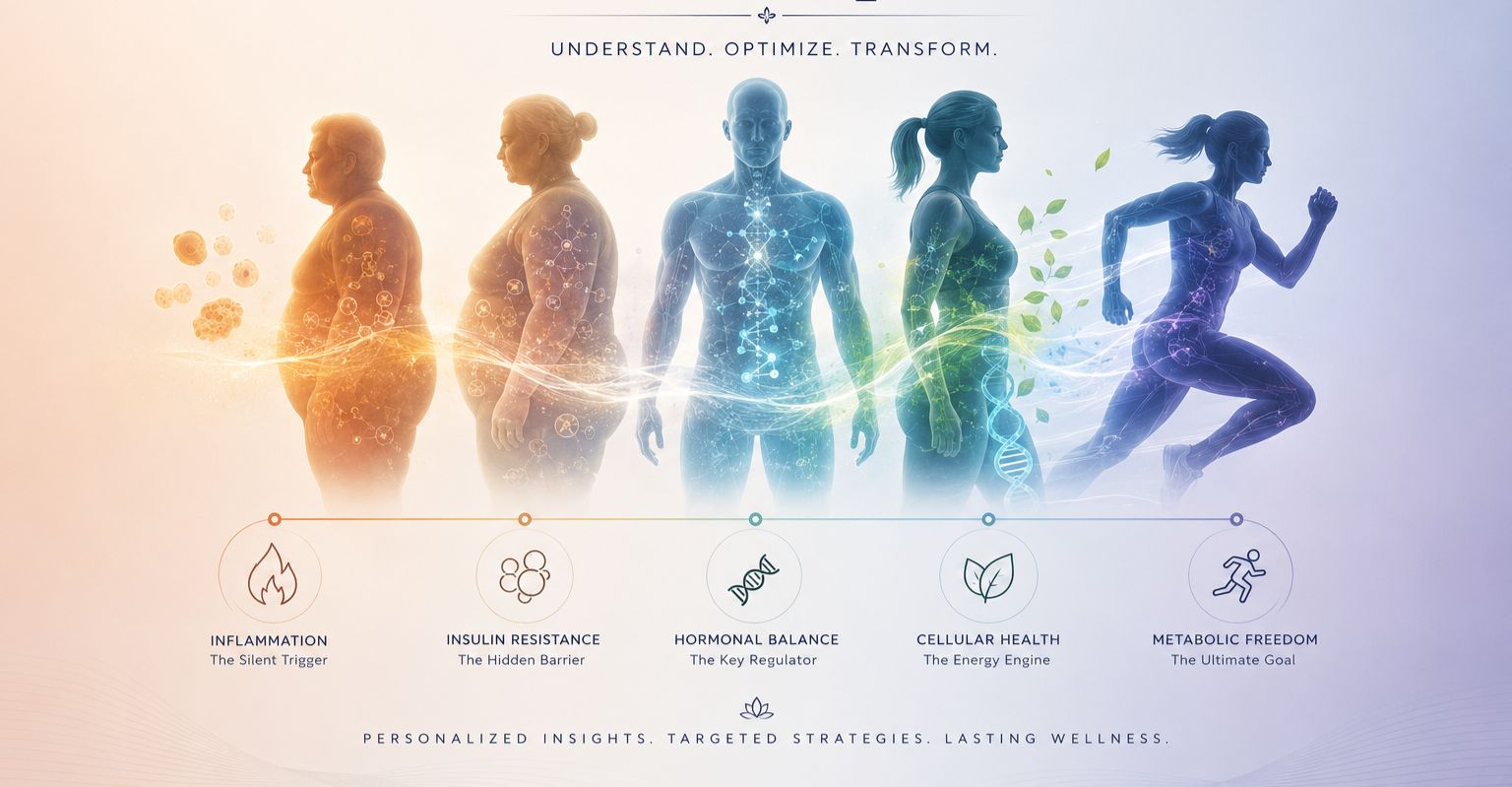
An elite, clinically-curated alternative to a lifetime of management — engineered to break the cycle of metabolic dysfunction entirely, and restore the body's innate, self-regulating rhythm.

  • Type 2 Reversal
  • Ayurvedic Protocol
  • Clinical Oversight
Metabolic Rhythm Monitor

Restoring the body's natural metabolic rhythm

Insulin SensitivityOptimizing
Cortisol BaselineLowering
Cellular RhythmRestoring
Dia-BEAT Spine Reset

Toggle to explore a different signature programme

Global Epidemiology

The Metabolic Crisis: A Paradigm Shift & Global Epidemiology

In the span of a single generation, diabetes has escalated from a rare clinical anomaly to a global health emergency of unprecedented proportions. According to a landmark global analysis published in The Lancet, the worldwide prevalence of diabetes among adults doubled from 7% to 14% over the last three decades. This staggering trajectory translates to over 828 million adults globally living with the disease. Concurrently, the 11th edition of the IDF Diabetes Atlas underscores that 11.1% (1 in 9 adults) globally face an active diagnosis, with numbers projected to surge past 853 million by 2050.

0%

Global adult prevalence — doubled from 7% over the last three decades

0M+

Adults worldwide are now living with diabetes

0%

Adults globally face an active diagnosis — roughly 1 in 9

0M

Projected global cases by 2050

0%

Of individuals (251.7 million adults) remain completely undiagnosed

0%

Urban-sector prevalence in India — 19.8% among adults aged 45 and older

Tragically, this rapid epidemiological expansion is matched by a critical diagnostics deficit: approximately 42.8% of individuals (251.7 million adults) remain completely undiagnosed. In highly affected developing regions and middle-income nations like India—which holds the world’s second-largest diabetic population—the crisis is heavily accelerated by rapid urbanization and economic shifts. Data from The Lancet Global Health notes that the prevalence spikes to 19.8% among adults aged 45 and older in India, soaring to 30.0%within urban sectors.

This disastrous shift demands a critical examination of why modern society is facing such widespread metabolic collapse, and why conventional healthcare paradigms have struggled to provide definitive resolution for this devastating scourge. Mainstream authorities have largely accepted a consensus of management rather than mastery. Sufferers are taught that their best hope is merely to control or delay the progression of the disease through lifelong dependence on pharmaceutical interventions, invasive medical devices, and eventual surgical procedures. This approach heavily deprioritizes foundational nutritional science. The result is a cycle that costs thousands per month, paradoxically reliant on medications that drive further weight gain and perpetuate metabolic dysfunction. TCT’s signature programme Dia-BEAT rejects this compromise, offering an elite alternative designed to break the cycle entirely.

“TCT’s signature programme Dia-BEAT rejects this compromise, offering an elite alternative designed to break the cycle entirely.”

Decoding the Spectrum

Clinical Classifications: Decoding the Metabolic Spectrum

Diabetes encompasses a distinct group of metabolic disorders bound by a common physiological marker: chronic hyperglycemia, or persistently elevated blood glucose. Understanding the distinct cellular etiology of each classification is paramount to achieving true metabolic equilibrium.

Type 1 Diabetes
01

Type 1 Diabetes

The Autoimmune Pathological Deficit

Historically categorized as juvenile-onset, this condition operates as an autoimmune phenomenon wherein the body’s immune system mistakenly targets and destroys the pancreatic beta cells responsible for secreting insulin—the vital hormone required to shuttle glucose into cells for cellular respiration. While triggers remain multi-factorial (ranging from genetic predisposition and vitamin D deficiency to early dietary sensitivities like cow’s milk or wheat proteins), the outcome is a progressive, absolute insulin deficiency. Consequently, exogenous insulin replacement remains the baseline clinical intervention, though it carries a heightened long-term risk of systemic microvascular and macrovascular complications.

Type 2 Diabetes
02

Type 2 Diabetes

The Insufficiency of Insensitized Pathways

Unlike Type 1, Type 2 diabetes is fundamentally driven by "Insulin Resistance" rather than an inherent lack of insulin production. In this state, peripheral tissues fail to respond efficiently to insulin signals. To compensate for this receptor blunting, the pancreas hyper-secretes insulin to maintain euglycemia (normal blood sugar). However, this compensatory mechanism is finite. When pancreatic secretory capacity can no longer keep pace with escalating cellular resistance, blood glucose levels surge, culminating in a clinical Type 2 diagnosis. It is this specific pathway of resistance that the Dia Balance protocol is engineered to reverse.

Gestational Diabetes
03

Gestational Diabetes

Transient Hormonal Imbalances

Characterized by glucose intolerance with onset or first recognition during pregnancy, gestational diabetes is heavily influenced by rapid gestational endocrine shifts and pre-existing metabolic strain or adiposity. Placental hormones can inherently block the action of insulin, requiring sophisticated, temporary metabolic modulation to safeguard both maternal and fetal physiology.

A Clear Picture of Type 2 Diabetes

The Mechanics of Metabolic Flow & Failure: A Clear Picture of Type 2 Diabetes

To truly comprehend Type 2 diabetes, one must look past surface-level symptoms and examine the intricate cellular architecture governing human energy dynamics. At its core, this condition is a breakdown in how our body processes, stores, and clears energy.

The Mechanics of Metabolic Flow & Failure — Type 2 Diabetes
I

Phase I

The Physiological Role of Insulin & Energy Homeostasis

Insulin is a vital endocrine hormone synthesized and secreted by the beta cells of the pancreas. Its primary physiological directive is to orchestrate the uptake, utilization, and storage of dietary energy.

When food is consumed, the gastrointestinal tract breaks down macronutrients into their molecular components: proteins into amino acids, lipids into fatty acids, and carbohydrates into glucose. As glucose enters the bloodstream, the pancreas releases insulin to act as a molecular gateway. Think of insulin as a master key; it binds to specific cellular receptors, unlocking the channels that allow glucose to pass from the bloodstream into the cells to fuel cellular respiration.

Once immediate energetic demands (ATP production) are fully satisfied, insulin shifts into its secondary role: signaling the body to preserve excess energy for future fasting windows. This energy is archived in two distinct biological storage tanks:

1. The Glycogen Reservoir

Excess glucose is converted into glycogen and stored in the hepatic (liver) and skeletal muscle tissues. This serves as a readily accessible, short-term energy reserve that can be converted back into glucose during periods of fasting.

2. The Adipose Matrix (De Novo Lipogenesis)

Because hepatic glycogen capacity is strictly finite, any surplus energy remaining once the liver is fully saturated undergoes de novo lipogenesis. The liver converts this excess glucose into triglycerides, which are then exported and stored as adipose tissue (body fat) for long-term reserves.

In a healthy, metabolically flexible individual, this storage-and-release cycle is a beautifully orchestrated dance. During feeding cycles, insulin rises to store energy; during fasting windows, insulin drops, prompting the body to seamlessly burn its stored glycogen and fat reserves.

II

Phase II

The Genesis of Insulin Resistance

Metabolic dysfunction is initiated when chronic caloric surplus paired with physical inertia disrupts this delicate equilibrium. This continuous, forced energy influx compels insulin to perpetually pack fat into adipose tissue and glycogen into the liver.

Eventually, the liver and adipose cells reach their absolute anatomical and physiological storage thresholds, inducing conditions like non-alcoholic fatty liver disease (NAFLD) and "diabesity" (diabetic obesity). Having exceeded their capacity, these oversaturated cells become completely unresponsive to insulin signaling—they simply cannot absorb further energy. Barred from entering the cells, glucose is left with no choice but to accumulate in the vascular system, resulting in the clinical presentation of elevated blood glucose.

III

Phase III

The Overflow Phenomenon & The Fallacy of Force

To visualize this cellular crisis, consider the Subway Train Analogy:

The Subway Train Analogy

The Cell represents the subway car.

Insulin serves as the conductor opening the train doors.

Glucose Molecules are the passengers waiting on the platform.

Under normal conditions, the train doors open, and passengers step inside effortlessly. However, when the cellular "subway car" is already densely packed to maximum capacity, opening the doors achieves nothing. The passengers cannot physically fit inside and are left stranded outside on the platform (the bloodstream).

The conventional medical approach to this dilemma is to artificially increase insulin levels—either through pharmaceutical stimulants or exogenous injections. This is the physiological equivalent of hiring "subway pushers." These pushers use brute force to cram more passengers into an already overflowing train.

While this aggressive tactic temporarily clears the platform (lowering blood sugar in the short term), it treats the symptom while severely aggravating the underlying pathology. Forcing more glucose into a critically overstuffed cell only escalates intracellular stress, driving insulin resistance to deeper, more dangerous levels.

The Path to True Resolution

Insulin Sensitization

The only scientifically sound and sustainable solution is not to force more energy in, but to clear the energy that is already trapped inside. True metabolic resolution requires Insulin Sensitization—a calculated process that empties the oversaturated cellular reservoirs first. Once the cells are decongested, the body can re-establish a pristine, self-regulating equilibrium where energy intake is perfectly balanced by energy expenditure [thecuringtree.in].

Primary Indicators of Hyperglycemia

Clinical Manifestations: The Primary Indicators of Hyperglycemia

When blood glucose levels remain chronically elevated, the body emits clear physiological distress signals. Recognizing these distinct markers of hyperglycemia is essential, as they signify systemic cellular starvation and acute metabolic strain:

Marker 01

Polyuria (Frequent Urination)

When circulating glucose exceeds the renal threshold, the kidneys are forced to work overtime to filter and excrete the excess sugar. This creates an osmotic diuretic effect, drawing massive fluids from bodily tissues and leading to abnormally frequent, high-volume urination.

Marker 02

Polydipsia (Unquenchable Thirst)

As a direct consequence of the fluid depletion caused by polyuria, the brain’s intracellular dehydration centers are continuously triggered. This manifests as an intense, unquenchable thirst that cannot be satisfied by standard hydration.

Marker 03

Polyphagia (Persistent Hunger)

Because insulin resistance or insulin deficiency blocks glucose from entering the cells, the body’s tissues are left in a state of cellular starvation. Despite consuming adequate food, the body signals a constant, urgent demand for more energy, driving persistent hunger.

Marker 04

Systemic Fatigue & Lethargy

When the body cannot efficiently convert glucose into ATP (cellular energy), physical vitality collapses. Individuals experience profound, deep-seated exhaustion and sluggishness, as the body is forced to expend extra energy simply attempting to process systemic waste.

Marker 05

Blurred Vision

High concentrations of blood glucose draw moisture out of the delicate lenses of the eyes, altering their shape and throwing off focal symmetry. This results in temporary, fluctuating episodes of blurred or distorted vision.

Marker 06

Impaired Healing & Immune Suppression

Chronically elevated glucose stiffens blood vessels, severely impeding microvascular circulation. This restricts the rapid delivery of vital nutrients and white blood cells to compromised tissues, significantly delaying wound healing and increasing susceptibility to persistent infections.

Multi-Organ Impact

Systemic Degradation: The Multi-Organ Impact of Chronic Hyperglycemia

Uncontrolled diabetes is not merely an isolated blood sugar issue; it is a progressive vascular and metabolic assault that causes systemic degradation across every major organ network. When blood vessels are chronically bathed in glucose, they undergo structural hardening and endothelial damage, cutting off vital cellular lifelines throughout the body.

Systemic Degradation — Multi-Organ Impact of Chronic Hyperglycemia
01

Cardiovascular & Cerebrovascular Pathology (Macrovascular Collapse)

Chronically elevated glucose dramatically accelerates atherosclerosis (the hardening and narrowing of arterial walls). The World Health Organization (WHO) indicates that high blood glucose is directly responsible for roughly 11% of all global cardiovascular mortalities. This systemic inflammation in the large arteries restricts blood flow, significantly heightening the risk of coronary artery disease, myocardial infarction (heart attack), and ischemic stroke.

02

Diabetic Nephropathy (Renal Deterioration)

The kidneys are equipped with delicate, intricate filtration networks called glomeruli. Over time, persistent hyperglycemia destroys these micro-vessels, forcing the kidneys to leak vital proteins into the urine (albuminuria). According to the WHO, this specific diabetic framework accounts for over 530,000 kidney disease deaths annually, leading directly to end-stage renal failure.

03

Diabetic Retinopathy (Ocular Degeneration)

The fragile capillaries supplying the retina are uniquely sensitive to glucose toxicity. Hyperglycemia causes these micro-vessels to leak fluid, swell, or rupture, clouding the field of vision. Landmark meta-analyses confirm that diabetic retinopathy remains a leading cause of preventable blindness worldwide, as the eye constructs abnormal, highly fragile new blood vessels that bleed easily, culminating in retinal detachment.

04

Diabetic Neuropathy (Nervous System Ischemia)

Elevated systemic glucose starves the body's nerve fibers of oxygen by strangling the microscopic blood vessels (vasa nervorum) that feed them. This leads to progressive nerve fiber death, most commonly presenting in the extremities as a loss of sensation, debilitating phantom pain, or severe numbness (peripheral neuropathy). Additionally, it can damage autonomic nerves, disrupting involuntary functions like digestion, heart rate regulation, and bladder control.

05

Peripheral Arterial Disease & The Diabetic Foot (Microvascular Necrosis)

The combination of deadened nerve endings (neuropathy) and severely compromised peripheral circulation creates a highly dangerous biological environment. Minor, unnoticed abrasions or blisters on the lower extremities fail to heal due to a lack of oxygenated blood. These compromised tissues rapidly degenerate into deep, necrotic ulcers that are highly susceptible to gangrene, frequently necessitating surgical amputation.

The Dia-Beat Protocol

The Pillars of Transformation: The Dia-Beat Protocol

I

Pillar I

Precision Alkalinity, Bio-Terrain Optimization & Dhatu Agni Deepana

Chronic metabolic dysfunction and insulin resistance thrive within an acidic, highly inflamed internal microenvironment. In Ayurvedic pathology, this represents a severe derangement of Pitta Dosha, leading to Amla Vipaka (systemic tissue acidity) and the weakening of Dhatu Agni (tissue-level metabolic fire). The Dia Balance protocol utilizes targeted, high-density clinical nutrition alongside classical Deepana(appetizer) and Pachana (digestive) herbal formulations. By neutralizing systemic acidity at the cellular level, the program optimizes the biological terrain, reduces oxidative stress, revives the tissue-specific Agni, and creates the ideal alkaline environment required for rapid pancreatic and hepatic cellular repair.

II

Pillar II

Microbiome Reconstruction, Gut Barrier Repair & Koshta Shodhana

Rooted in advanced gut-endocrinology and the gut-brain axis, the program deploys the proprietary Dia-Beat Protocol protocol to target the root cause of metabolic syndrome. Clinically, it repairs the intestinal mucosal barrier to down-regulate gut-derived endotoxemia and systemic low-grade inflammation. In alignment with Ayurvedic therapeutics, this represents Koshta Shodhana(cleansing of the alimentary canal). By altering the internal bio-terrain using targeted prebiotic nutrition and gut-soothing Lepas (medicated herbal pastes applied topically over the abdomen), the protocol aggressively restores microbiome diversity. This direct gut-level reset enhances insulin receptor sensitivity, down-regulates inflammatory cytokines, and stabilizes blood glucose kinetics.

III

Pillar III

Synergistic Medical Oversight & Cellular Detoxification (Ama Nirharana)

Your transformation is clinically curated by an elite medical panel and certified metabolic detoxification experts. In traditional terms, metabolic resistance is driven by Ama—a sticky, toxic, undigested metabolic byproduct that clogs the Srotas (micro-channels) and blocks insulin signaling at the cellular level. The Curing Tree Dia-Beat Protocol seamlessly bridges modern diagnostic monitoring (continuous glucose monitoring and biochemical profiling) with advanced Ama Nirharana (cellular toxin extraction). This sophisticated, highly calculated clinical framework safeguards your vitals while systematically pulling environmental toxins and dietary toxemia out of the deep tissues.

IV

Pillar IV

Visceral Organ Decongestion & Clinical Therapeutics

To completely bypass the fallacy of force, the program deploys a calculated sequence of cellular purge unburdening vital metabolic organs —specifically the liver and the pancreas—thereby targeting insulin resistance, restoring hepatic efficiency, clearing micro-channel blockages, and reviving the body’s natural homeostatic mechanisms.

The Multidimensional Healing Ecosystem

Integrated Therapeutics: The Multidimensional Healing Ecosystem

True metabolic restoration cannot occur in a vacuum of clinical isolation. To accelerate cell repair, lower stress-induced cortisol, and balance the nervous system, the Dia-Beat protocol integrates an elite array of ancient, sensory, and subtle energy therapies. These modalities work in synergy with medical oversight to treat the guest from the inside out.

Modality 01

Sacred Tree Healing & Nature Immersion (Vriksha Ayurveda)

The Curing Tree sanctuary is nestled within a pristine, sacred grove of more than 540 distinct species of therapeutic trees.

The Clinical Mechanism

Guests participate in structured, silent nature walks and forest bathing (Shinrin-yoku).

The Impact

The living forest continuously expels airborne antimicrobial compounds called phytonicides. Breathing this medicated air naturally down-regulates sympathetic nervous system dominance (the "fight-or-flight" stress state), significantly lowering systemic cortisol levels—a hormone known to drive insulin resistance.

Modality 02

Specialized Ayurvedic Massage & External Oleation (Abhyanga)

Rather than ordinary, superficial spa rubdowns, the facility offers precise, medical-grade external therapies driven by traditional clinical sciences.

The Treatment

Signature full-body Abhyanga therapies leverage warm, bespoke herbal and aromatic oils specifically curated for the participants

The Impact

These specialized strokes stimulate lymphatic drainage, optimize peripheral microvascular circulation, and soothe the central nervous system. This physical manipulation assists the cellular purge by guiding deeply embedded metabolic waste (Ama) out of peripheral muscle tissues and into the primary elimination organs.

Modality 03

Subtle Energy Alignment & Subtle Body Balance (Chakra Healing)

Metabolic diseases frequently manifest alongside blocks in the body's subtle, bio-energetic highways (Srotas and Nadis). The sanctuary addresses this through advanced Aura & Chakra Healing Treatment.

Modality 04

Therapeutic Yoga & Conscious Breathwork (Pranayama)

Physical movement at the center is strictly intentional, functioning as a non-pharmaceutical glucose-disposal mechanism

The Treatment

Daily, individualized sessions of therapeutic, low-impact Hatha or Restorative Yoga are paired with targeted breathwork, such as Nadi Shodhana (alternate nostril breathing).

The Impact

These deliberate, mindful postures mechanically compress and stimulate vital abdominal organs (the liver and pancreas) while increasing skeletal muscle glucose uptake without stressing the cardiovascular system. The synchronized breathwork balances oxygenation, improves cellular mitochondrial function, and stabilizes parasympathetic tone.

Modality 05

Fortified Five-Element Body Therapies (Pancha Mahabhuta)

To restore external vitality and skin-deep health during the detox process, the center introduces fortified signature spa rituals utilizing the natural raw intelligence of the 5 elements.

The Treatment

Includes customized Udwartha-Lepanam (cooling medicated herbal pastes like raw coconut blends or tamarind & brown sugar scrubs), nutrient-dense mineral mud packs, and specialized botanical body wraps

The Impact

These therapies open up the skin pores (the body's largest elimination organ), prompting gentle detoxification through sweat while softening the epidermal layers and re-establishing optimal cellular pH from the outside in.

Take the Next Step

Ready to Begin Your Healing Journey?

Read our Dia-Beat guidelines carefully and proceed to register.

Join Dia-Beat Program